
As boats return to lakes, rivers and waterways and more people come to the waterfront, marinas and waterway managers must deal with a common seasonal problem: There is more need for parking, and we need clear rules for mooring access. Staff must handle marina parking permits, waterway management permits, and boat parking permits. Parking lots get busy, launch ramps become crowded, and mooring spots need to be assigned. Staff must quickly and fairly tell who has paid and who has not.
For private marinas, municipalities, and waterway management entities alike, spring is the right time to align parking, mooring, and water access permits into one cohesive system-one that improves compliance, protects revenue, and keeps operations running smoothly throughout the season.
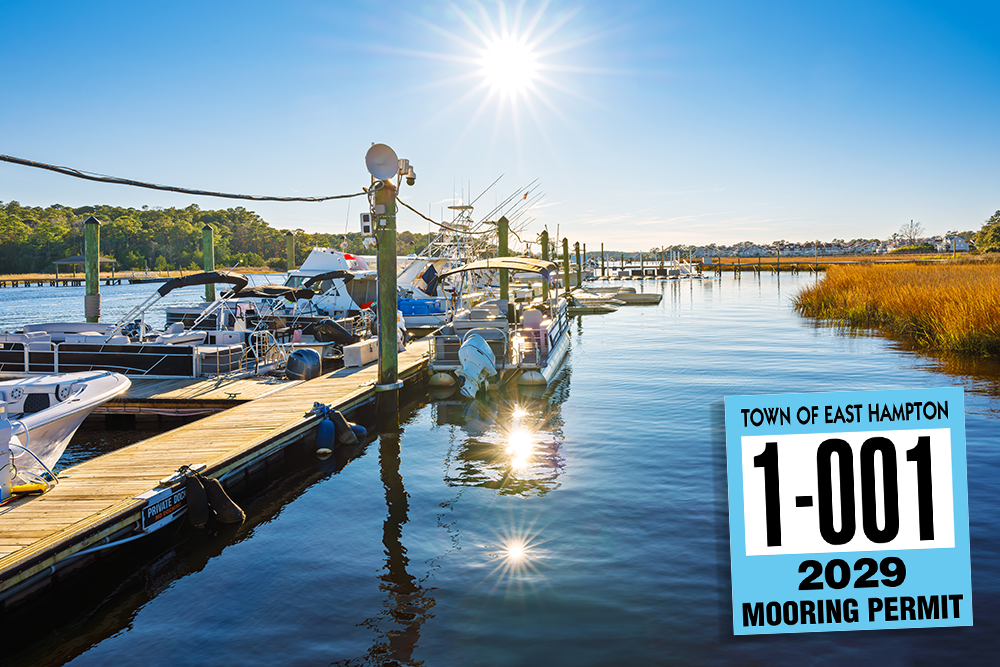
Waterfront operations rarely involve just one type of access. Most marina operators manage a combination of:
When these are managed separately-or inconsistently-problems follow:
A unified marina permit program helps ensure that the right people are using the right spaces at the right time.
1) Vehicle Parking Permits
Parking is often the most visible-and contentious-access point.
Common use cases
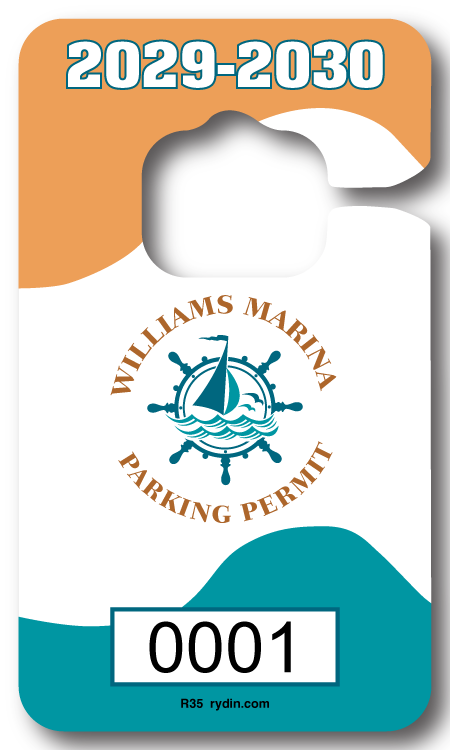
What kind of permits can be used for marina parking
Using distinct permit classes and designs allows staff to identify authorization quickly, even during peak weekends. Matching colors with other permit (like mooring or slip access permits) for the season helps staff know if the permit is for the current year.
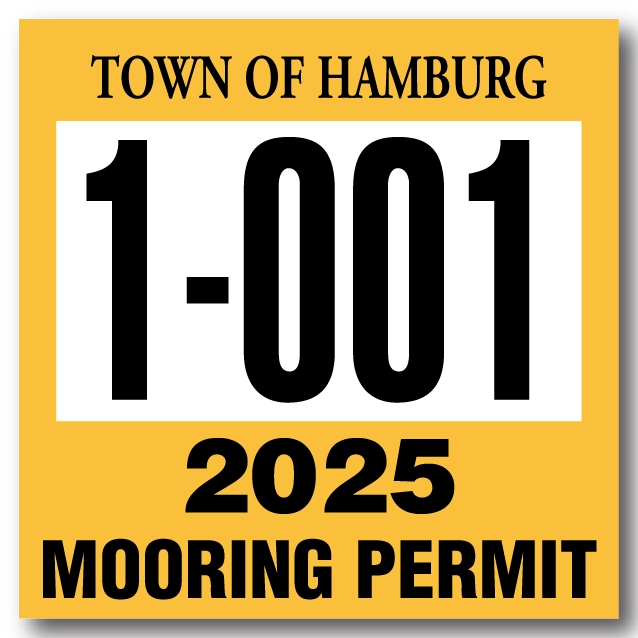
2) Mooring & Slip Access Permits
Mooring and slip areas benefit from the same clarity as parking lots.
Permits can be used to:
When mooring access is aligned with parking and launch permits, disputes decrease and daily operations become more consistent. Matching colors with other permit (Launch Ramp permits) for the season helps staff know if the permit is for the current year.
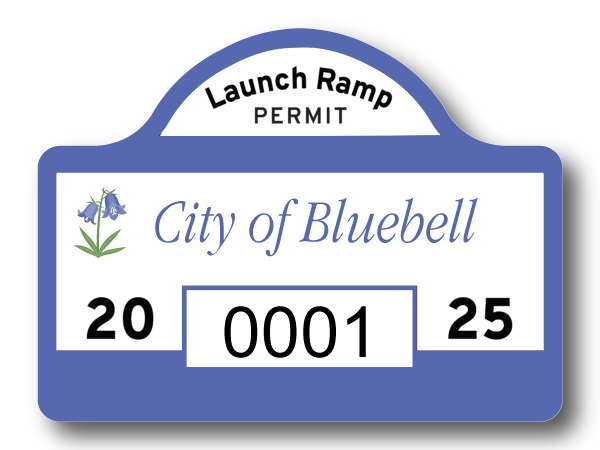
3) Launch Ramp & Day-Use Access
Public ramps and day-use areas can be an area of contention often causing delays, and frustration – especially on busy holidays.
Permits can be used to:
Temporary and seasonal permits are especially effective here, allowing flexibility without sacrificing control.
4) Storage Permits and identification
With limited space, daily, weekly, or even monthly boat storage permits are often required by marinas and waterway authorities. This is especially important for smaller lakes that have limited space.
Plus, once the season is done, marinas that offer storage can require off-season boat storage decal. This allows

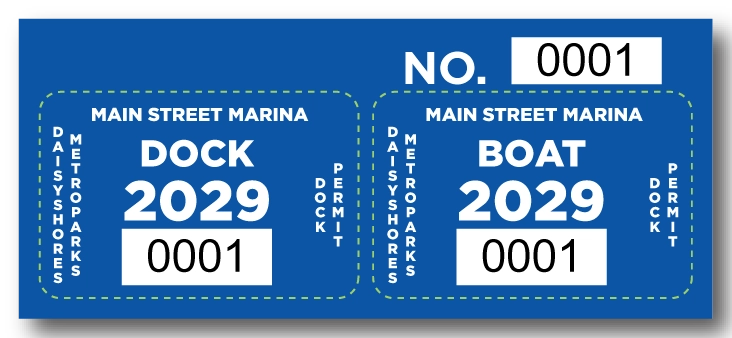
5) Boat Safety and Inspection Decals
Boating safety is a big part of the experience of “being on the water” This is especially the case for motorized crafts of all sizes. Many waterway entities require inspections and provide watercraft inspection decals that must be displayed. This protects all involved. How can you make sure the right “Captain” is using the right permit?
One of the most overlooked challenges in waterfront management is revenue leakage-when permits are shared, copied, or misused by unpaid users.
A strong permit program doesn’t just organize access; it protects the value of the permit and provides on-site safety. (only known / authorized users are on site)
Waterfront access has a predictable risk: permits get shared or duplicated as demand increases. A permit program is only effective if it’s difficult to counterfeit and simple to verify.
Use distinct designs/shapes for different permit classes (Member / Staff / Vendor / Guest) and include clear validity windows (season/year) so enforcement doesn’t have to guess.
Without making things more difficult for operations personnel, marinas can reduce permit misuse by:
Holograms, variable data, destructible materials for decals, QR codes and other features make counterfeiting and using expired permits extremely difficult.
The goal isn’t to create friction-it’s to ensure paying users receive the access they paid for, while maintaining on-site safety. while unpaid or unauthorized use is minimized.
For municipalities and agencies (such as river, lake, or waterway authorities), permitted access control helps:
When parking, ramps, and mooring permits all follow the same framework, compliance improves naturally-without increasing enforcement staff.
Spring is when distribution problems can surface:
Direct-to-user distribution models-where permits are issued and delivered using a qualified distribution partner, without on-site pickup, can reduce congestion and improve the customer’s experience, especially for renewals and seasonal programs. This can help both distribution and the collection of any permitting fees. The right partner can also offer secure on-site storage, negating any worries about permit loss or unauthorized distribution.
This approach is particularly useful for:
Unified waterfront access is fundamentally a compliance and entitlement problem, not just a parking, mooring, or launch issue.
A well-designed permit program than includes third party distribution helps organizations:
When parking, mooring, and launch access all follow the same logic, operations become more predictable and easier to manage.
Unified waterfront access is fundamentally a compliance and entitlement challenge, not just a parking, mooring, or launch issue. The most effective marina and waterway programs combine clear permit logic with efficient distribution, ensuring paid users receive the access they’ve paid for-without overwhelming staff during peak season.
Rydin offers a wide variety of customizable, and ready-to-ship, permit hang tags and permit decals that marinas can incorporate into their unified parking, mooring, and launch program. With dozens of designs, sizes, and materials, along with available security features, a strong, consistent, and user-friendly program can be developed.
Additionally, considering incorporating distribution services to a well-designed permit program helps marina operators:
Rydin’s Permit Distribution Service is built specifically to support high-volume, seasonal permit programs. Once permit holder data is submitted, permits are collated, packaged, and mailed directly to end users, often within 48 hours, eliminating long pickup lines and manual handoffs.
In large-scale seasonal environments, this approach has proven effective. For example, Rydin has supported the distribution of thousands of permits in a single cycle, allowing organizations to shift staff time away from administrative tasks and back to operations and customer service. An expanded option is Rydin Permit Express. Rydin Permit Express is a software solution that combines registration, payment, enforcement, and distribution in one complete package. Learn more about Rydin Permit Express here.
To explore available permit formats-including hang tags, decals, and temporary permits-or to see how distribution can support your marina or waterway program, visit Rydin’s full Permit Solutions overview:
Explore Rydin’s permit solutions and services or request a sample pack to compare materials and formats before you finalize your spring launch. https://www.rydin.com/
Hang tags are commonly chosen when you want permits to be transferable between vehicles, while decals are often used when you want a permit that’s applied once and harder to misplace.
Many operators use temporary permits for short-term access (weekends, events, contractors) to avoid issuing permanent permits for a brief visit.
Yes-permit distribution services can send permits directly to end users and may include rules, maps, and other inserts, reducing office lines and staff workload.
Web-based platforms can support user registration and administrative oversight for permit issuance and program management. Rydin PermitExpress is positioned as a web-based parking management solution that supports registration and administrative access.
Standardizing permit classes, designs, and validity windows across sites helps reduce confusion, simplifies training, and makes enforcement easier-especially for municipalities and waterway agencies.
Use clear permit classes, unique designs, validity windows, and consider security elements (like those referenced in permit literature) so staff can verify quickly and duplication is harder.
