
Let’s be honest: the parking industry loves its acronyms. AVI, RFID, ALPR, PARCS, IoT – and if you’ve investigated anything at all to do with managing your parking program lately, you very well might have more questions than answers.
Confused by parking acronyms? There is some good news. You don’t need to be a technology expert to make smart decisions for your campus, municipality, or property. You just need a clear explanation of what each term actually means— and how it fits into your overall parking program.
We’ll walk through the most important parking technology terms, explain them in plain language and help you figure out the right mix for your operation. We’ll also point out where physical parking permits and smart software can work together— even in the most tech-forward programs.
Quick Orientation Modern parking programs blend hardware (gates, cameras, sensors), identifiers (license plates, RFID tags, QR codes, barcodes), and software (cloud platforms managing permits, payments, and enforcement). Understanding how these pieces connect helps you choose confidently — and avoid overspending on tech you don’t need. |
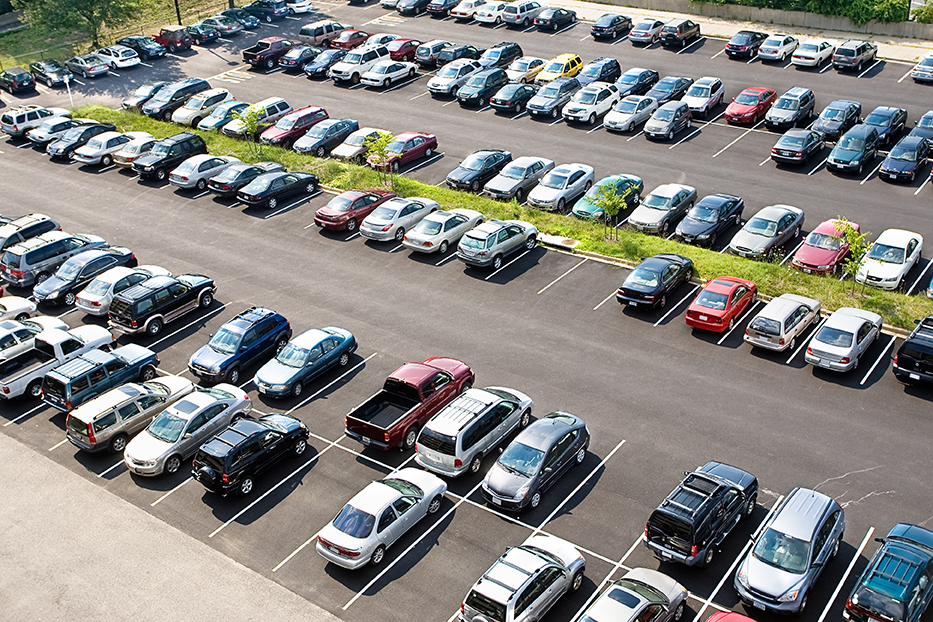
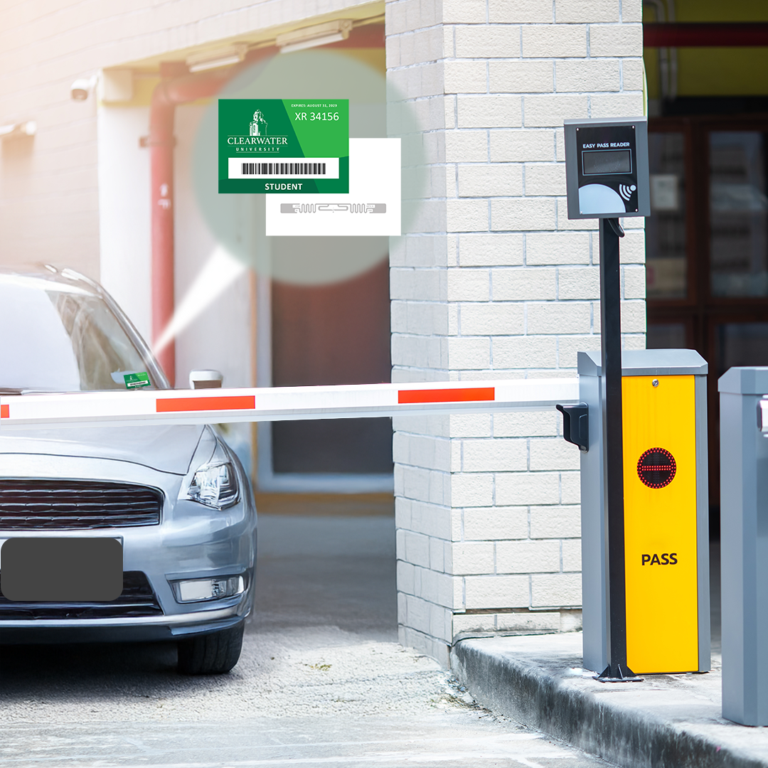
AVI is the umbrella term for any system that identifies a vehicle without human interaction (or hands-free) at an entry or exit point. Think: pull up, system recognizes you, gate opens. No window rolling, no swiping, no fumbling. AVI implementations typically use RFID tags or license plate cameras as the credential — both of which are covered below.
Where you’ll see it: University garages, corporate campuses, gated communities, and tolling systems.
Real-World Example Many colleges that implement RFID-based AVI systems see triple lane throughput compared to swipe cards — drivers’ windows are kept closed for improved security. |
RFID is used in AVI system integrations. RFID activated access uses a small chip-and-antenna embedded in a permit hang tag, decal, or credential that communicates with a reader at the entry lane. Vehicles don’t need to stop — the reader detects the credential and grants or denies access in milliseconds.
RFID tags can be passive (no battery) or active (battery-powered). They are consistent performers in varied lighting and weather, which makes them a strong choice for high-speed, high-volume lanes.
At Rydin, we manufacture RFID-enabled hang tags and decals built to UHF/EPC Gen2 standards, meaning they work with readers from multiple vendors.
Best for: Known, recurring parkers — employees, faculty, monthly contract holders.
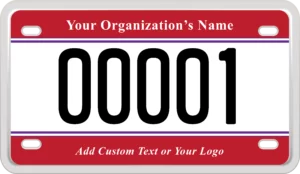
These three acronyms all describe the same basic technology: cameras capture license plates, software reads them, and the system checks whether that plate is associated with a valid permit or payment. If yes, the gate opens (or a virtual session is created). If no, enforcement is triggered.
The terminology varies by region: LPR and ALPR are common in North America; ANPR is the standard in Europe and the UK. Functionally, they’re the same thing.
Formats you’ll see:
*ALPR is Automatic License Plate Recognition | ANPR is Automatic Number Plate Recognition
Use cases: Virtual permits (plate-based), gateless access control, citation enforcement, revenue collection, security watchlists.
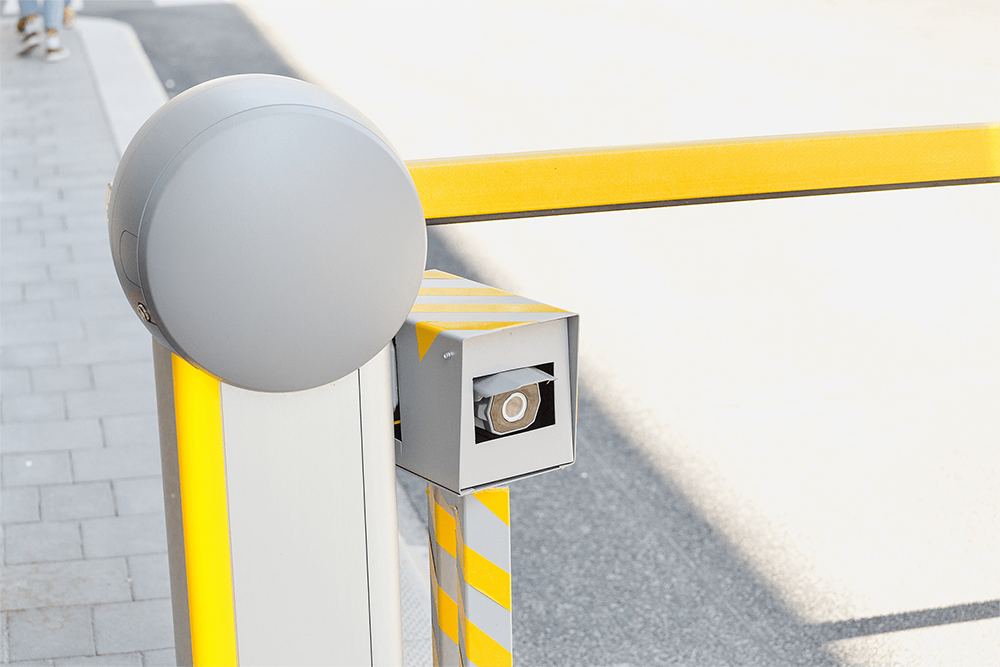
PARCS is the full integrated stack for paid parking facilities — kiosks, ticket dispensers, pay-on-foot stations, barrier gates, fee computers, and the dashboards that tie it all together. If a parking garage has a pay-and-display machine or a booth attendant, there’s probably a PARCS behind it.
Modern PARCS platforms increasingly pair ticketless entry (using LPR or RFID) with mobile payment and dynamic pricing — reducing hardware overhead while keeping revenue controls intact.
Best for: Commercial garages and facilities with significant transient revenue
Pay-by-Plate: The driver enters their license plate number at a kiosk or app. Enforcement checks the plate in the database — no paper receipt on the dashboard required.
Pay-by-Space: The driver enters their stall number. More common in lots and garages with clearly numbered spaces.
While these approaches do enable municipalities and campuses to move entirely to virtual permits — no physical hangtag, no decal, just a plate tied to a payment record – there is still a place for physical permits within a smartly managed parking program. Physical permits can serve a critical enforcement role providing at a glance confirmation and even color coded lot verification. In addition, physical permits help others, non-enforcement personnel, know who is allowed to be in the lot.
The final touch – instructions. When managed via a physical kiosk, these payment methods rely on detailed instructions. Decals placed on the kiosk, often with QR codes linking to a specific website for payment, communicate the process the user must follow. Much like a traditional parking meter, it’s important that these instructions be produced on a high-quality weather resistant material. Explore Rydin’s parking permit options, and decal options and how they integrate with modern enforcement workflows.
Apps like Flowbird, ParkMobile, and PayByPhone, among others, let drivers start or extend parking sessions remotely, tying payment to their license plate. Enforcement officers can instantly verify payment status from a handheld device or LPR camera — no need to check for a dash receipt.
Key features to look for: Guest mode (for visitors without an account), remote session extensions, PCI-compliant payment, and fleet account management.
Add on: As before, physical perhaps can support app based parking programs integrating at a glance verification.
IoT (Internet of Things) parking sensors are per-space devices — ultrasonic, magnetic, or camera-based — that detect whether a space is occupied and broadcast that status in real time. That data feeds into driver-facing wayfinding apps and signage and can also trigger dynamic pricing or enforcement when spaces are over-limit.
Common approaches include LoRaWAN magnetic sensors and AI-powered camera detection, all feeding into cloud dashboards. These systems are often seen at large parking garages (airports, malls etc) and feature digital signage noting the number of available spaces, often on a floor-by-floor basis.
The software layer that ties everything together. A good cloud parking platform unifies permit issuance, payment processing, LPR data, enforcement workflows, appeals, and reporting — accessible from anywhere, without on-premises hardware.
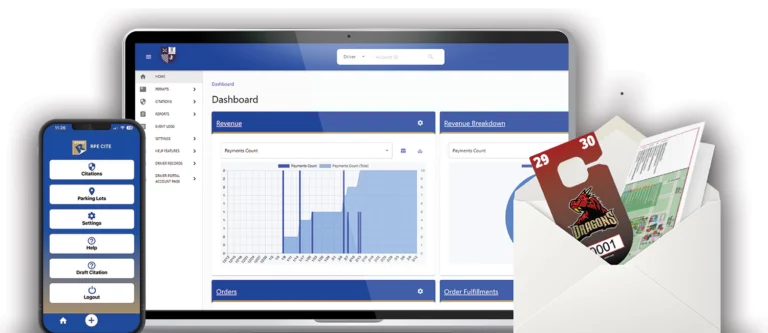
Rydin PermitExpress® platform (RPE) is built for exactly this kind of centralized management — handling permit registration, e-commerce payments, citation issuance via the Cite app, and real-time administration all in one place.
Use this as your quick reference when evaluating technology for your program:
Technology | Biggest Wins | Requirements | Best Fit |
RFID / AVI | Hands-free, reliable reads. Perfect for employees & faculty. Not affected by weather or lighting. | Requires tag issuance and management. Higher upfront cost at lanes. Visitors need another solution. | University garages, corporate campuses, monthly contract parkers. |
LPR / ALPR / ANPR | Enables virtual permits. Ticketless entry. Works for visitors. Strong enforcement tool. | Camera placement and lighting matter. Privacy/data compliance must be managed. | Municipal curbside, mixed-use garages, campuses, airports. |
PARCS | End-to-end revenue control. Audit trails. Pay-on-foot/pay-in-lane. Integrates LPR & RFID. | More hardware. Higher capex. More maintenance than gateless setups. | Commercial garages focused on transient revenue. |
Pay-by-Plate | No dash tickets. Easy remote extensions. Enables LPR enforcement. | Accurate plate entry is critical. UX at the kiosk matters. | On-street zones, unattended lots. |
Mobile Apps (Pay-by-Phone) | Convenient. Push notifications. Guest mode. PCI-secure payments. | App adoption varies. Connectivity required. Transaction fees. | Cities, universities, hospitals, retail districts. |
IoT Sensors | Real-time occupancy. Analytics. Guides drivers. Supports dynamic pricing. | Device deployment and battery lifecycle. Environment affects accuracy. | Smart-city corridors, high-turnover lots, wayfinding projects. |
Cloud SaaS Platform | Centralizes permits, payments, enforcement, reporting. Remote management. Fast updates. | Data governance considerations. Connectivity dependency. Vendor lock-in risk. | Multi-site operators, municipalities, higher-ed. |
Not sure where to start? Work through these four steps:
Here are the patterns we see most often in the field:
With all the conversation about LPR, virtual permits, and cloud-based enforcement, it’s easy to assume that physical permits are a relic of the past. They’re not. In fact, some of the most effective parking programs we work with use digital and printed permits together — each doing what it does best.
LPR is powerful — but it requires a camera pass, a database query, and a connected system to work. A well-designed physical permit is instant. An enforcement officer driving through a lot can scan an entire row of vehicles in seconds and spot a problem without ever stopping or pulling up a device.
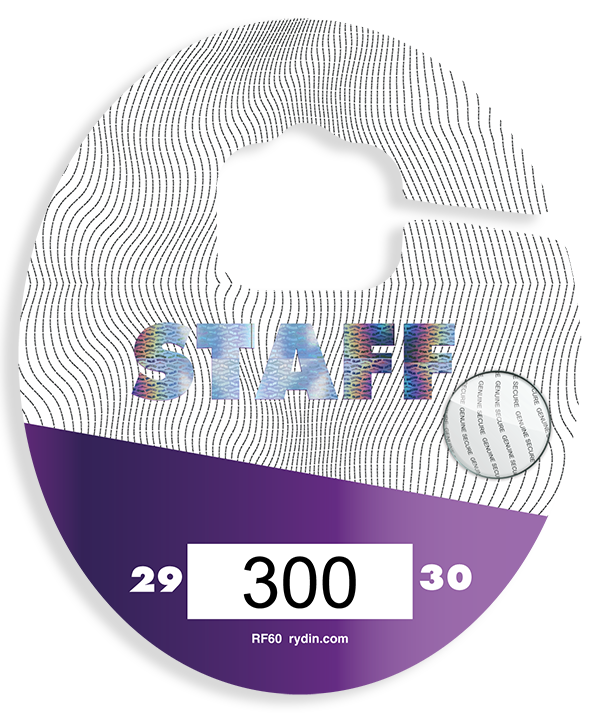
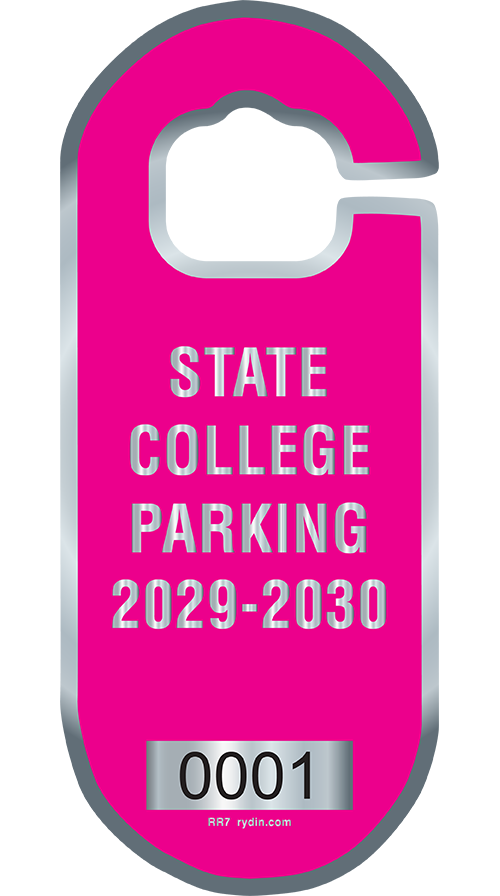
Color-coded hang tags by zone or permit type, reflective materials that catch a flashlight or headlights at night, bold sequential numbering — these aren’t outdated features. They’re deliberate design choices that make your enforcement team faster and more accurate, with or without technology backing them up.
That kind of instant visual identification also serves a purpose that no software system can fully replicate – deterrence. A lot full of clearly displayed, professionally printed permits signals to would-be violators that this program is organized, monitored, and enforced. That visible order reduces the casual parking violations that no camera or sensor ever catches in time.
Counterfeit permits are a real problem — and not just an inconvenience. They represent lost revenue, compromised security, and enforcement hours spent investigating fakes. A home printer can replicate the look of a basic paper permit. It cannot replicate what a professionally manufactured permit is built to include.
Rydin’s security features are engineered specifically to raise the cost of counterfeiting beyond what most bad actors are willing to attempt. Many security options and methods exist – these include:
For a detailed review of these and more security options read our blog – “How Secure Are Your Parking Permits? Fighting Fraud and Counterfeit Permits”.

The most resilient parking programs don’t choose between physical and digital — they use both intentionally. Here’s how that tends to look in practice:
The bottom line: Digital tools make enforcement smarter. Physical permits make it faster and more secure. When they’re designed to work together — with barcodes that connect to your software, RFID that automates access, and security features that deter fraud — you get a parking program that’s harder to beat from every angle.
Explore Rydin’s security features and materials, or compare hang tags vs. decals to find the right physical format for your program.
All three refer to the same technology — license plate recognition. The acronym varies by region: LPR and ALPR are standard in North America, while ANPR is used in Europe and the UK. When evaluating vendors, focus on accuracy, integration capabilities, and support — not which letters they use in their name.
Neither is universally better — they serve different needs. RFID excels with known, credentialed vehicles in controlled high-speed lanes. LPR shines for visitors, virtual permits, and gateless operations. Many programs deploy both. Rydin’s RFID hang tags and decals work with multiple reader vendors and can complement any LPR setup.
Depends on your enforcement model. Pay-by-plate and LPR programs can operate entirely on virtual permits tied to a license plate. But physical permits — whether hang tags or decals — remain essential for programs where visible enforcement matters, zones need color-coding, RFID access control is in use, or your population includes vehicles without consistent plate visibility. Many of our customers use both: virtual for routine enforcement, physical for access control and zone identification.
Apps log payment by license plate and sync in real time. Enforcement officers — or LPR systems — query the live database to verify payment status instantly. No dash receipts. No ambiguity. The Rydin PermitExpress Cite app works on this same principle, allowing field staff to issue digital or printed citations from any Android or iOS device.
Yes, and they’re worth taking seriously. ALPR systems collect location data linked to license plates, which is subject to local and federal regulations including GDPR and CCPA depending on your jurisdiction. Best practices: minimizing data retention periods, encrypt stored data, restrict access, and work with vendors that document their compliance tooling. The regulatory landscape is evolving, so this is a conversation to have with your legal team as well.
Most operations follow a similar progression: start with virtual permits and pay-by-plate, add mobile payment options, integrate LPR for enforcement efficiency, then layer in IoT occupancy sensors for analytics and wayfinding. Manage the whole program through a cloud platform. You don’t have to do it all at once — the key is choosing a software and permitting infrastructure that grows with you. Rydin PermitExpress® and our permit distribution services are designed to scale alongside your program.
You’re not behind the curve — many institutions issue tens of thousands of physical permits each year and it works well for their population. The question is whether the logistics are eating your staff’s time. Rydin’s Permit Distribution Service handles the assembly and mailing of permits directly to parkers — whether that’s 100 or 50,000 — freeing your team for higher-priority work. Auburn University reduced staff burden significantly after switching to this model.
Whether you’re building a new program from scratch or modernizing an existing one, the right combination of permits, software, and enforcement tools makes all the difference. Rydin helps universities, municipalities, and properties design programs that actually work — connecting physical permits with the software and distribution infrastructure to back them up.
Explore our parking permit solutions — or request a demo of Rydin PermitExpress® to see how we simplify the full permit lifecycle.
Questions? Our team is easy to reach: contact us here or call 800-448-1991.
